

Lower Elementary
Ages 6-9
When a child begins Lower Elementary, they are beginning their second plane of development. Often called the Age of Reason, children in this stage yearn to think for themselves. It is the first time in this child’s life they are experiencing the world with a reasoning mind.
The Child
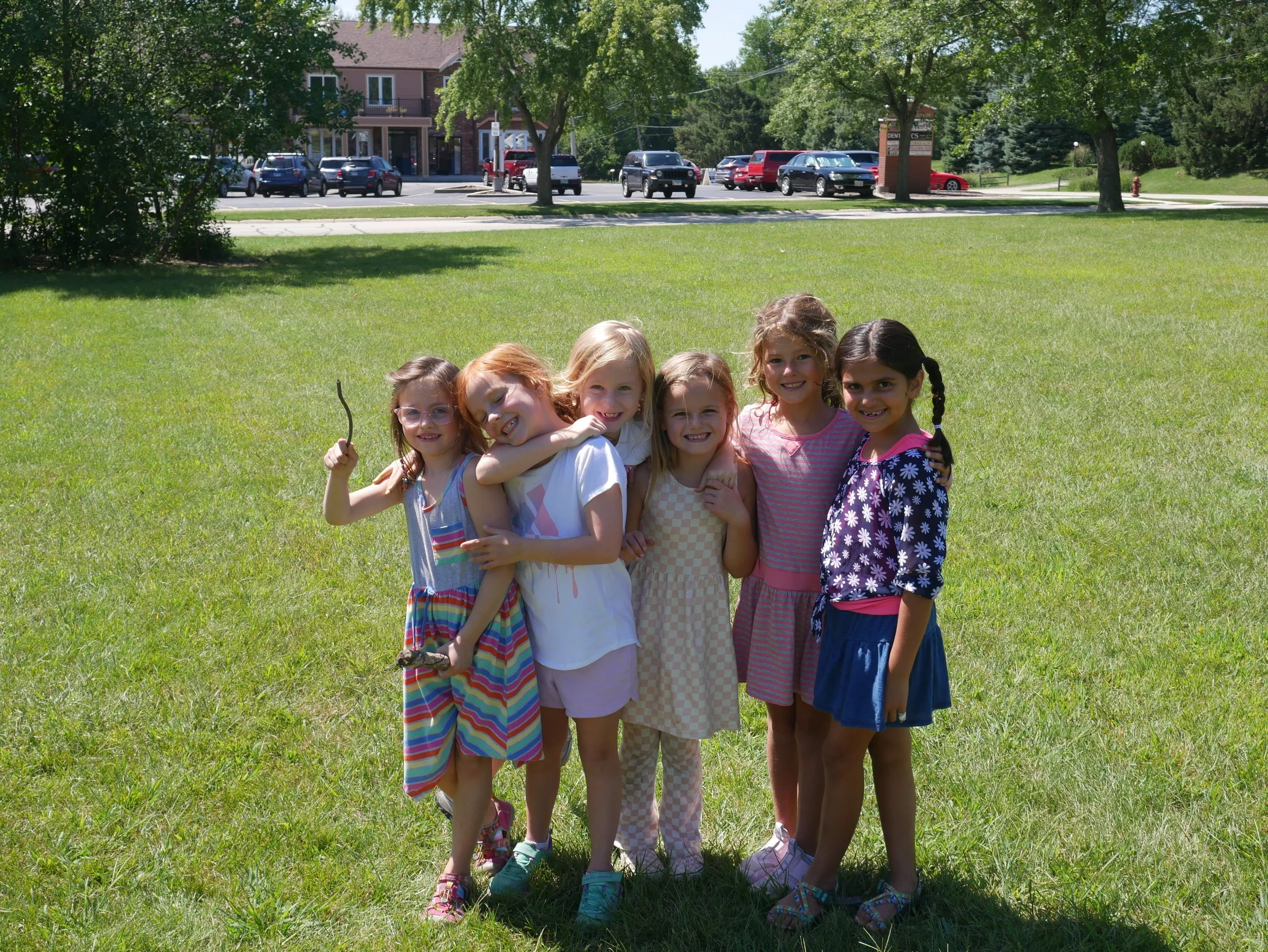
At the beginning of this plane, children immerse themselves in the social communities outside of their homes. Children are looking outward and inward at each new person they meet and situation they experience - evaluating, ranking, and synthesizing the nuances of countless interactions. Expanding their world of active participation, children purposefully seek roles that demonstrate their valued abilities. These experiences build the child’s spirit, character, and personality, as well as test their will. This can result in strong feelings of belonging, self-reflection, self-awareness, social justice, and empathy; as well as rejection, aggression, and contempt. Maria Montessori says, “The more developed a child is, the more obedient are his instruments of motion to his will; and if he experiences the pressure of an outside will he can resist it.”
This child does not come to us as a final copy nor will they leave that way. However, the second plane of development is where their moral and ethical foundations truly begin. They are their most malleable of minds. With grace and courtesy, we will prepare them as future peacekeepers.

The Environment
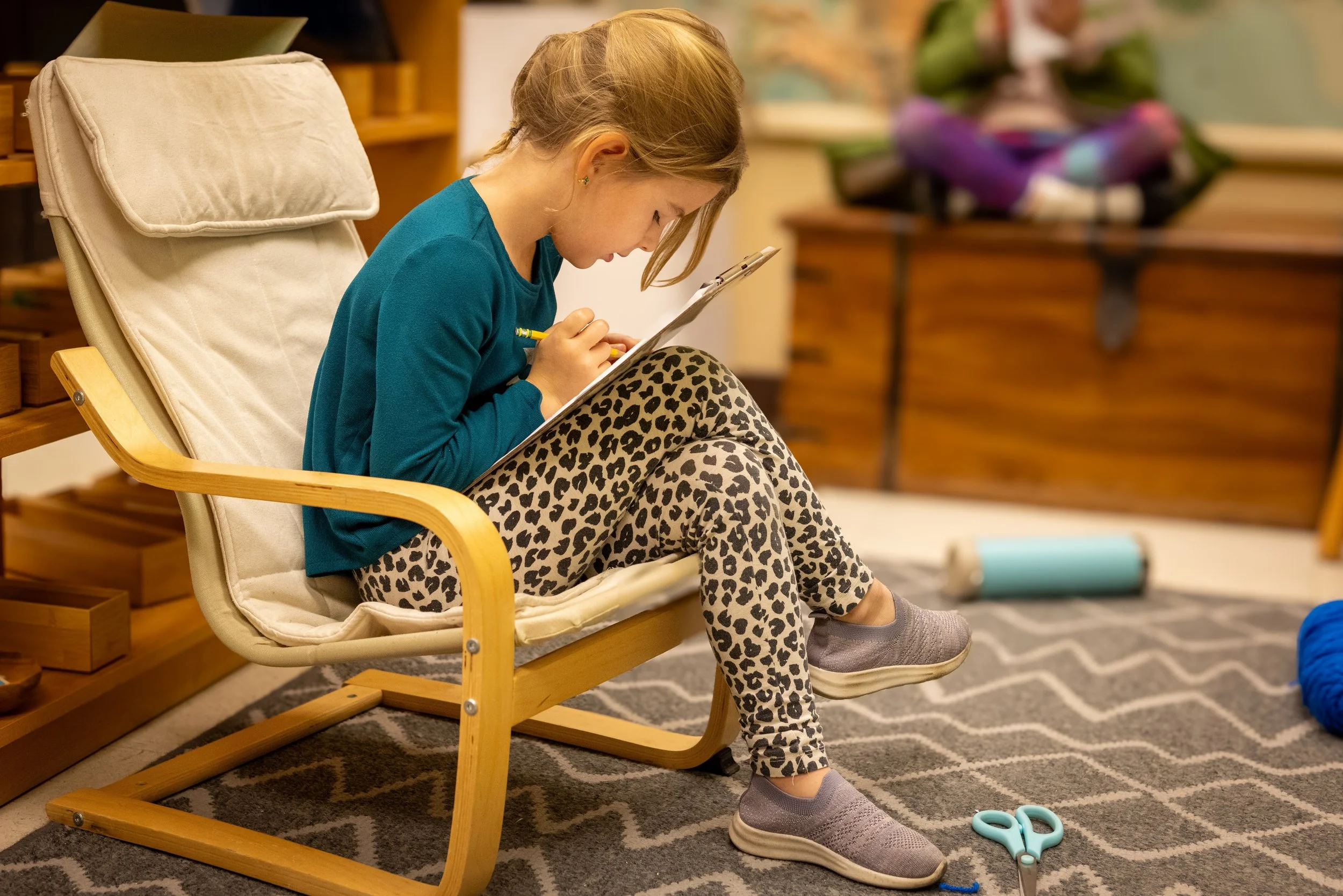
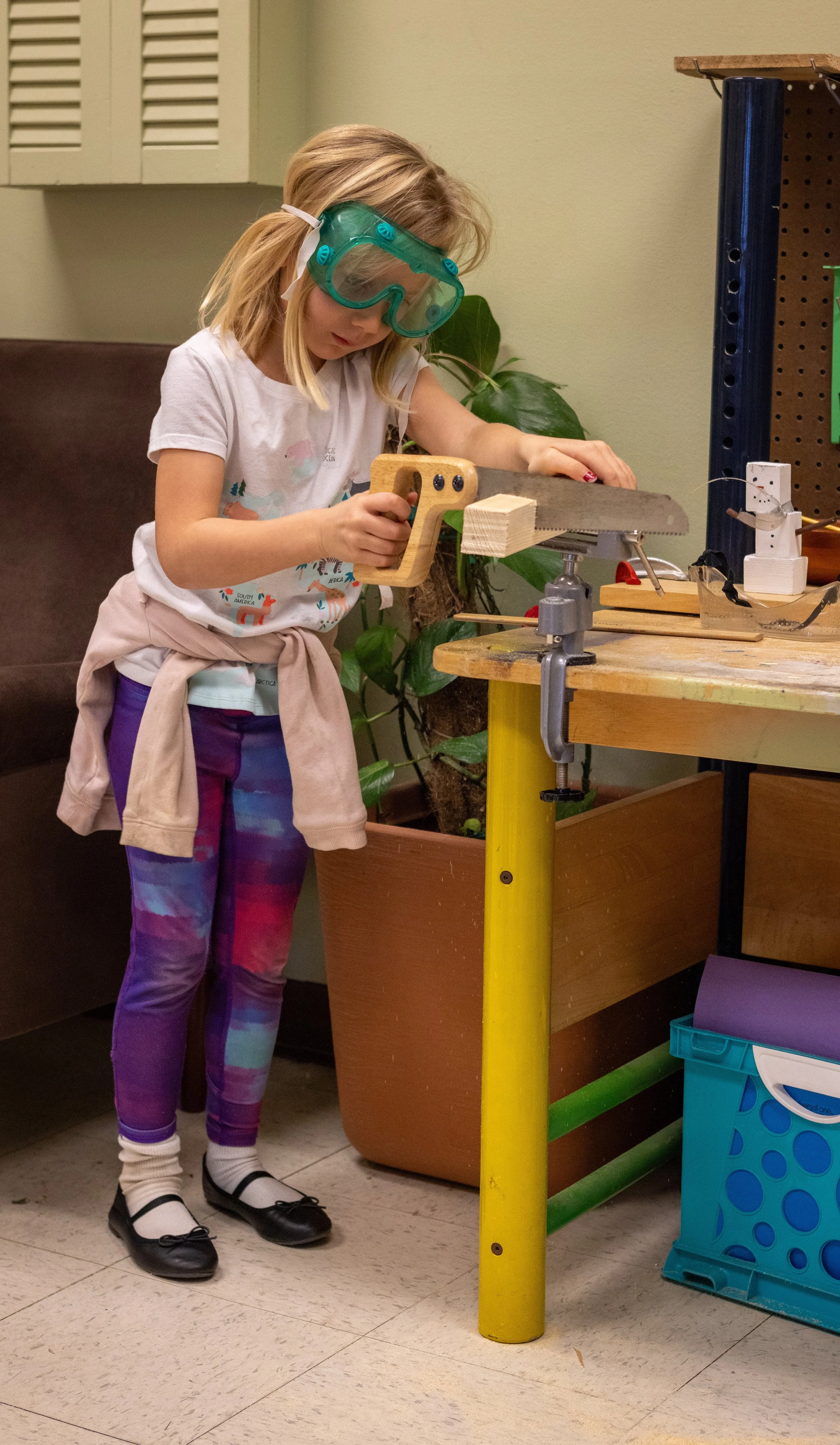
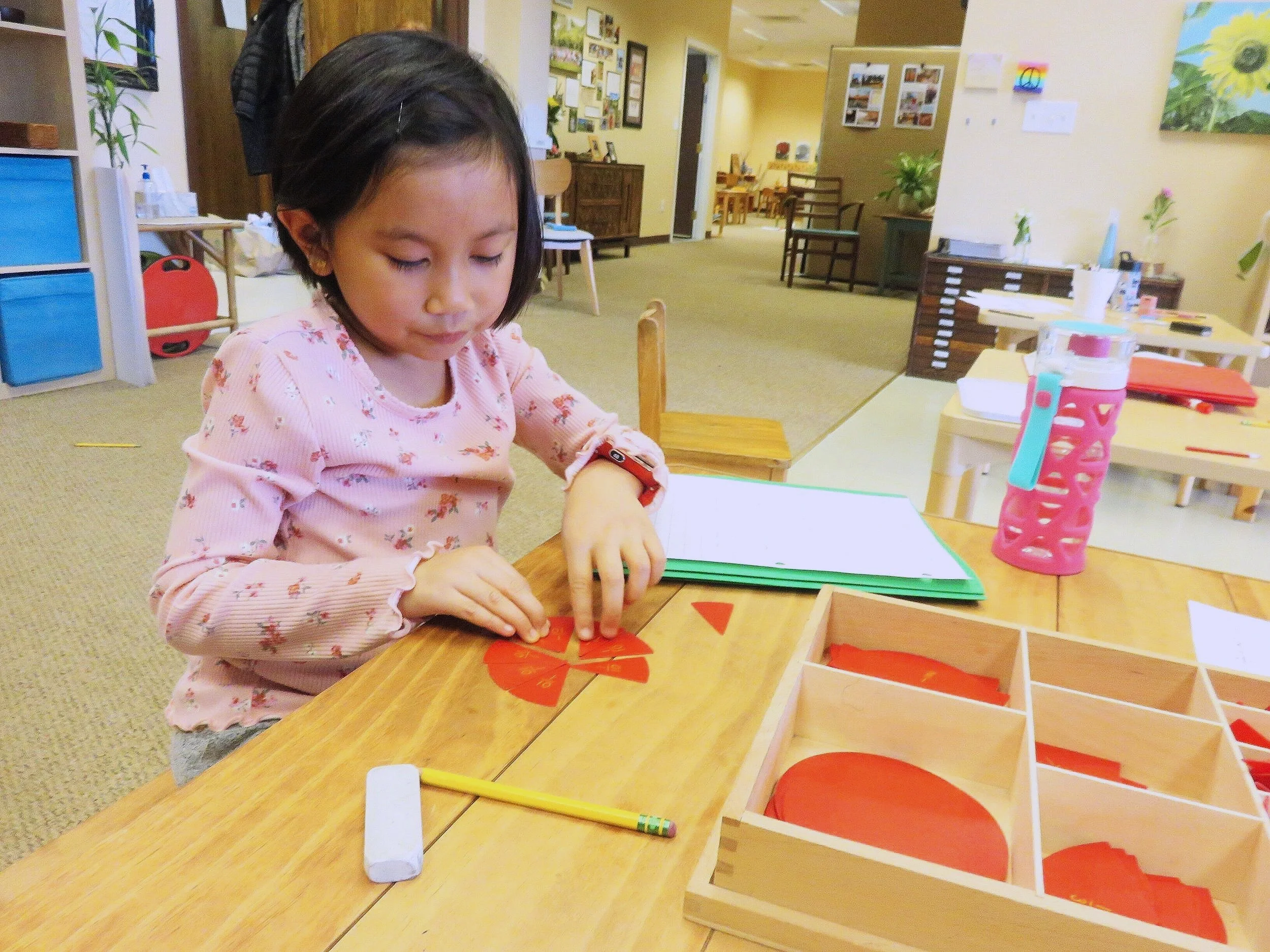
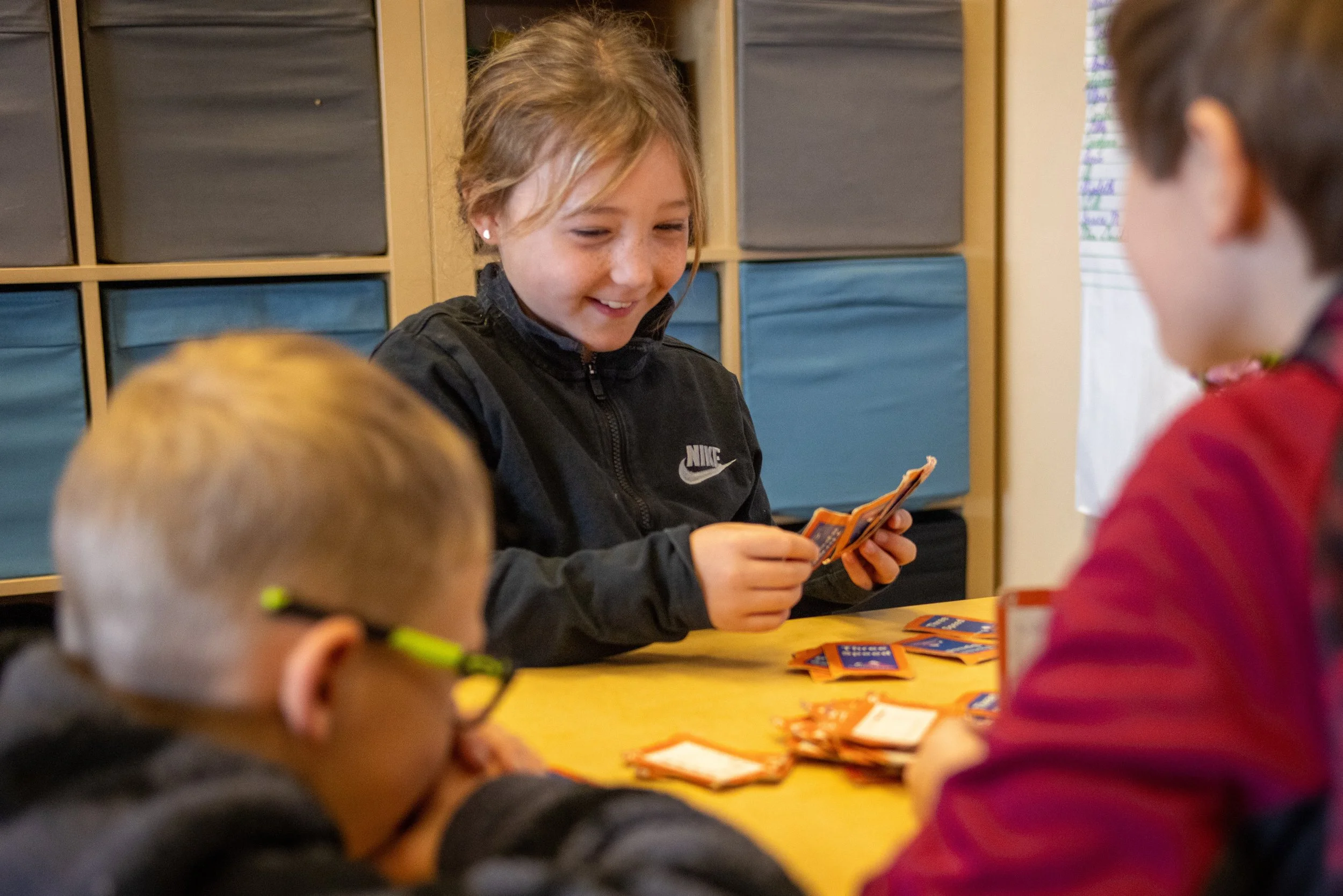
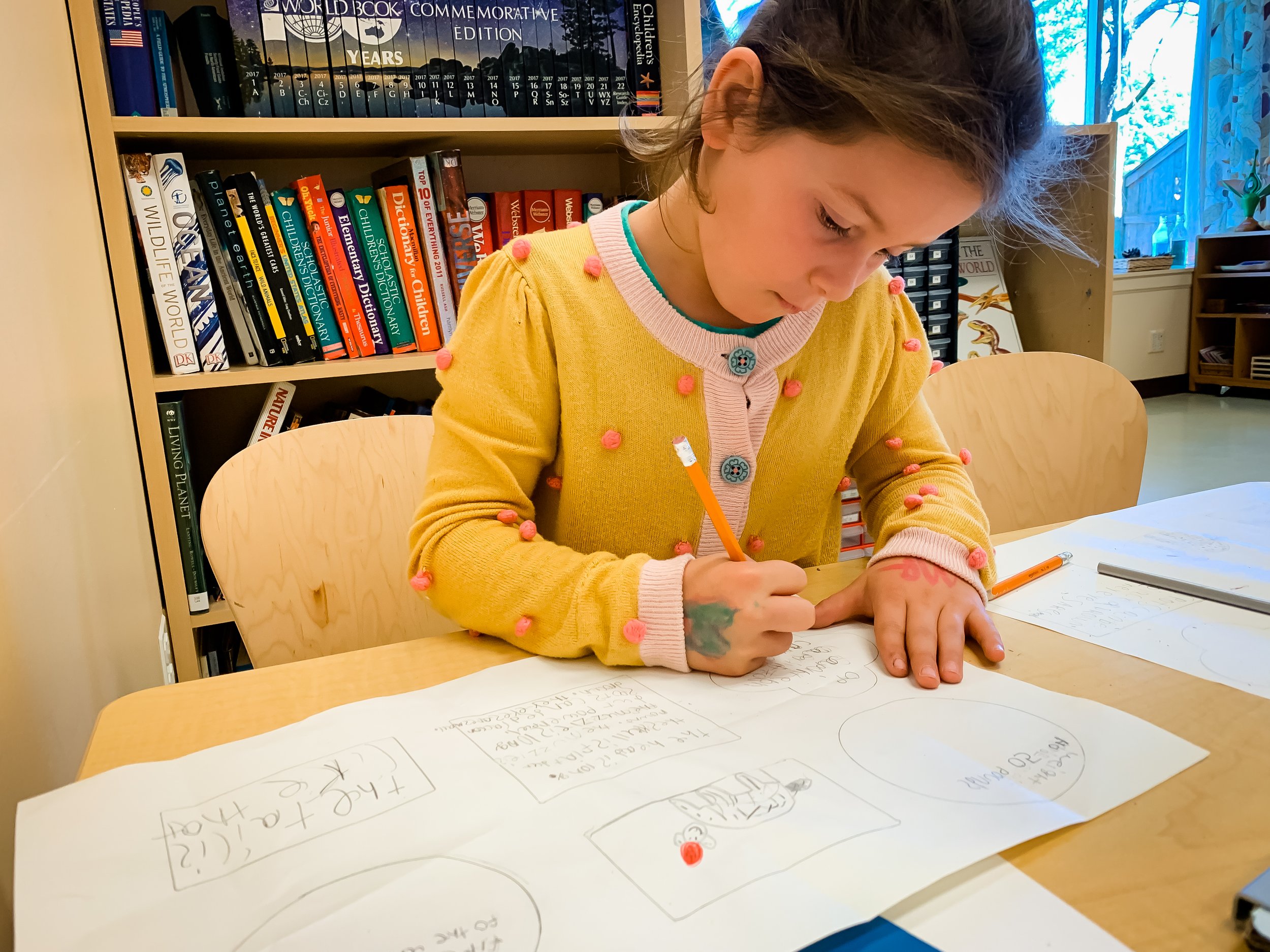
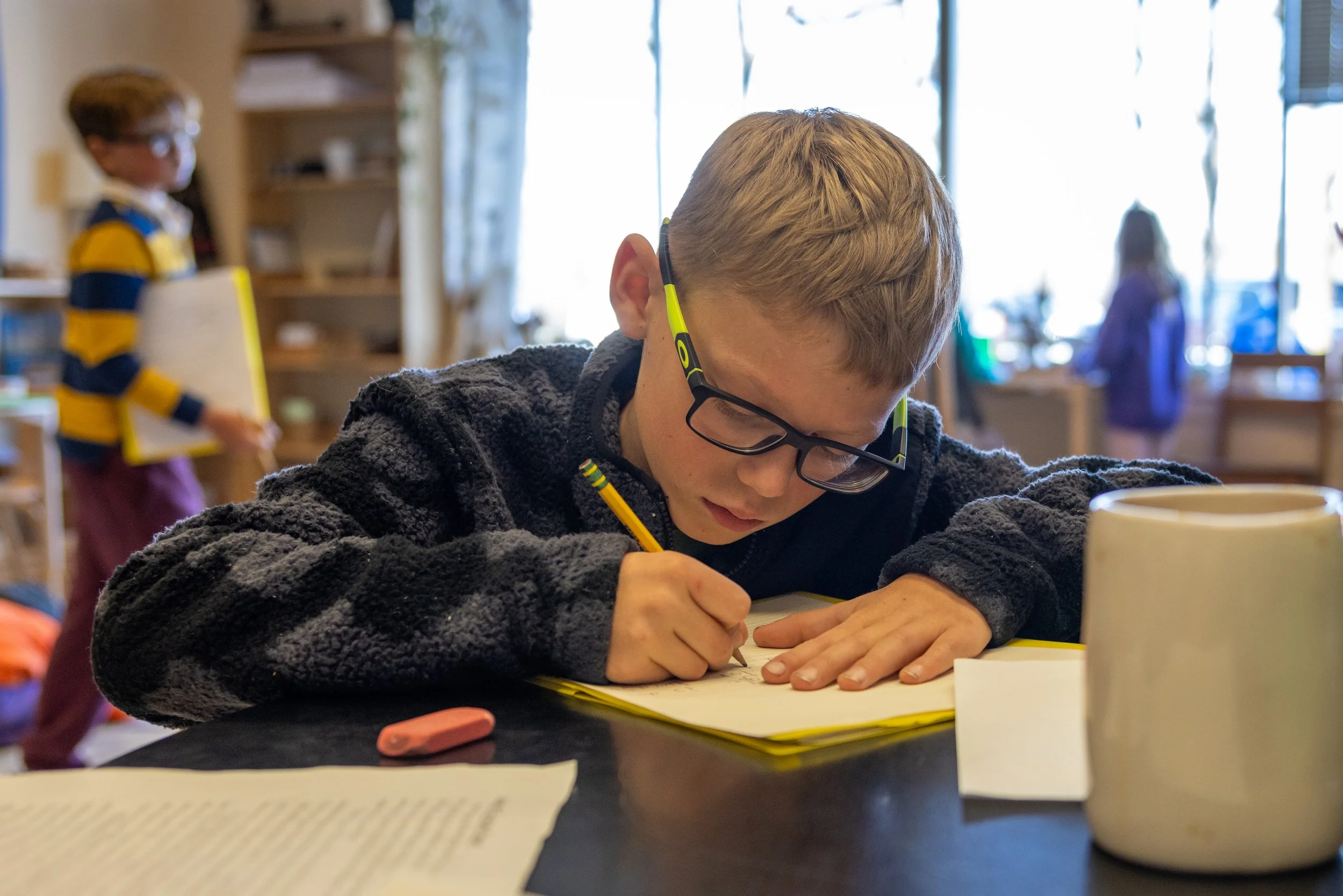
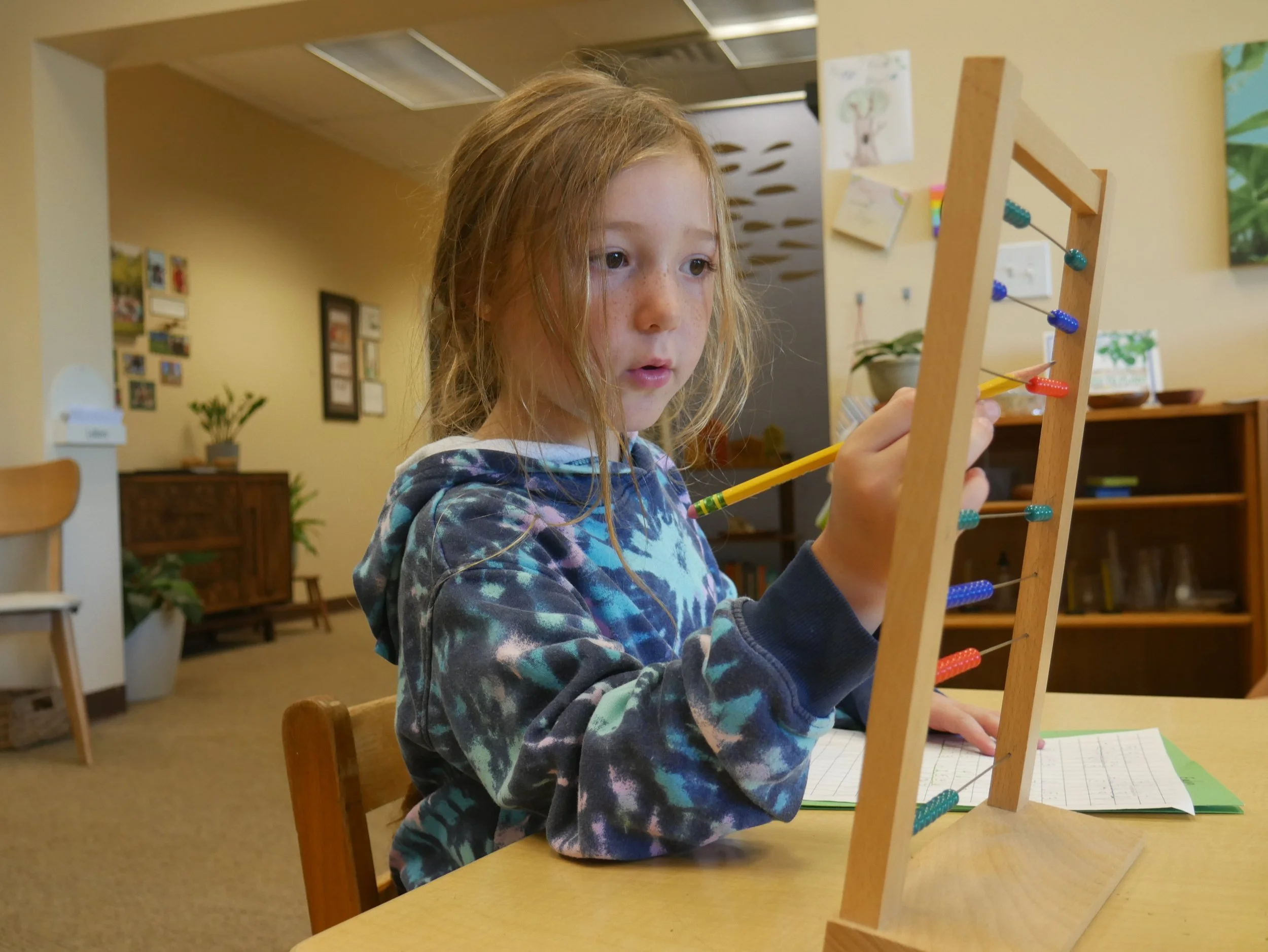
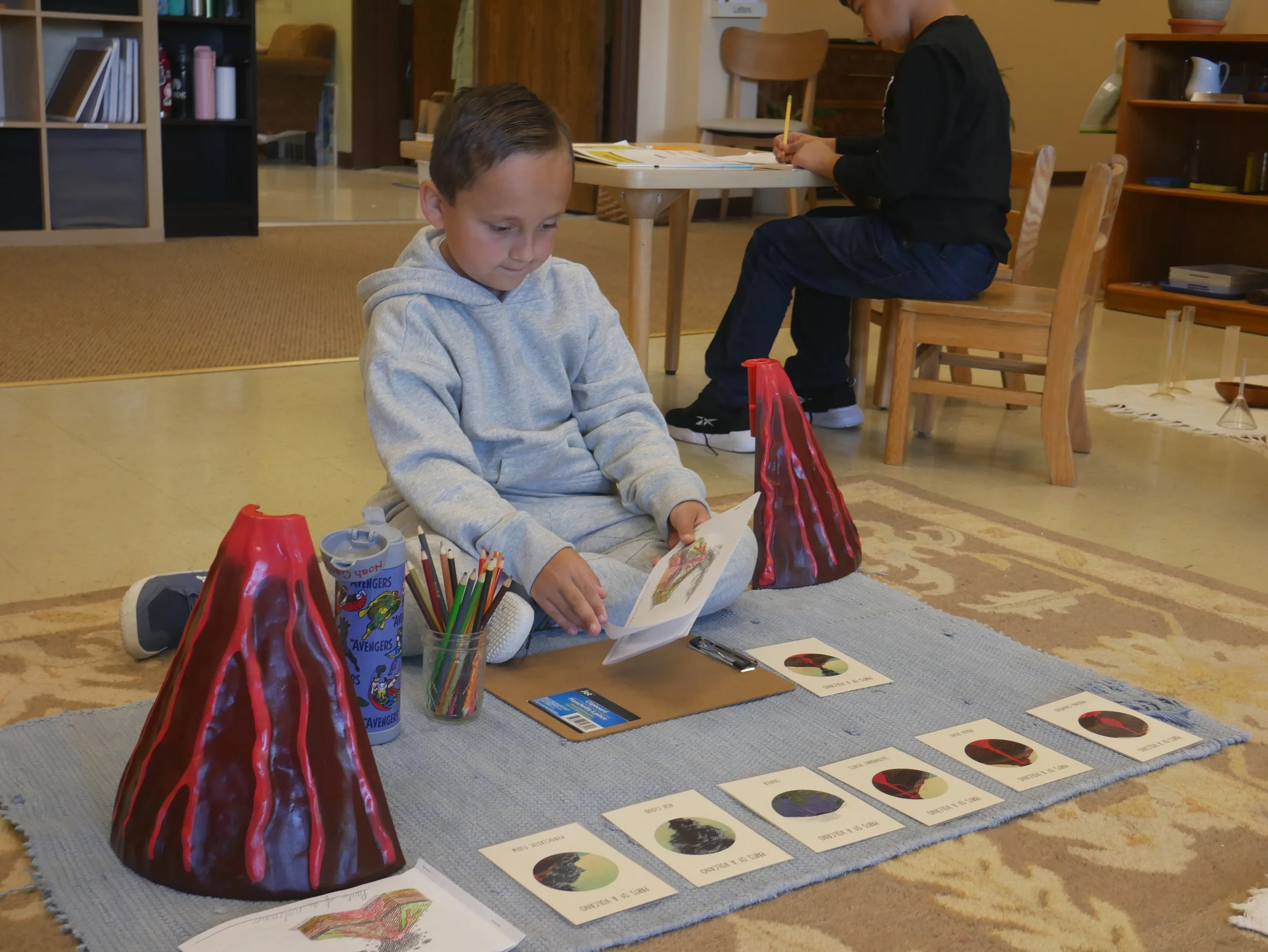
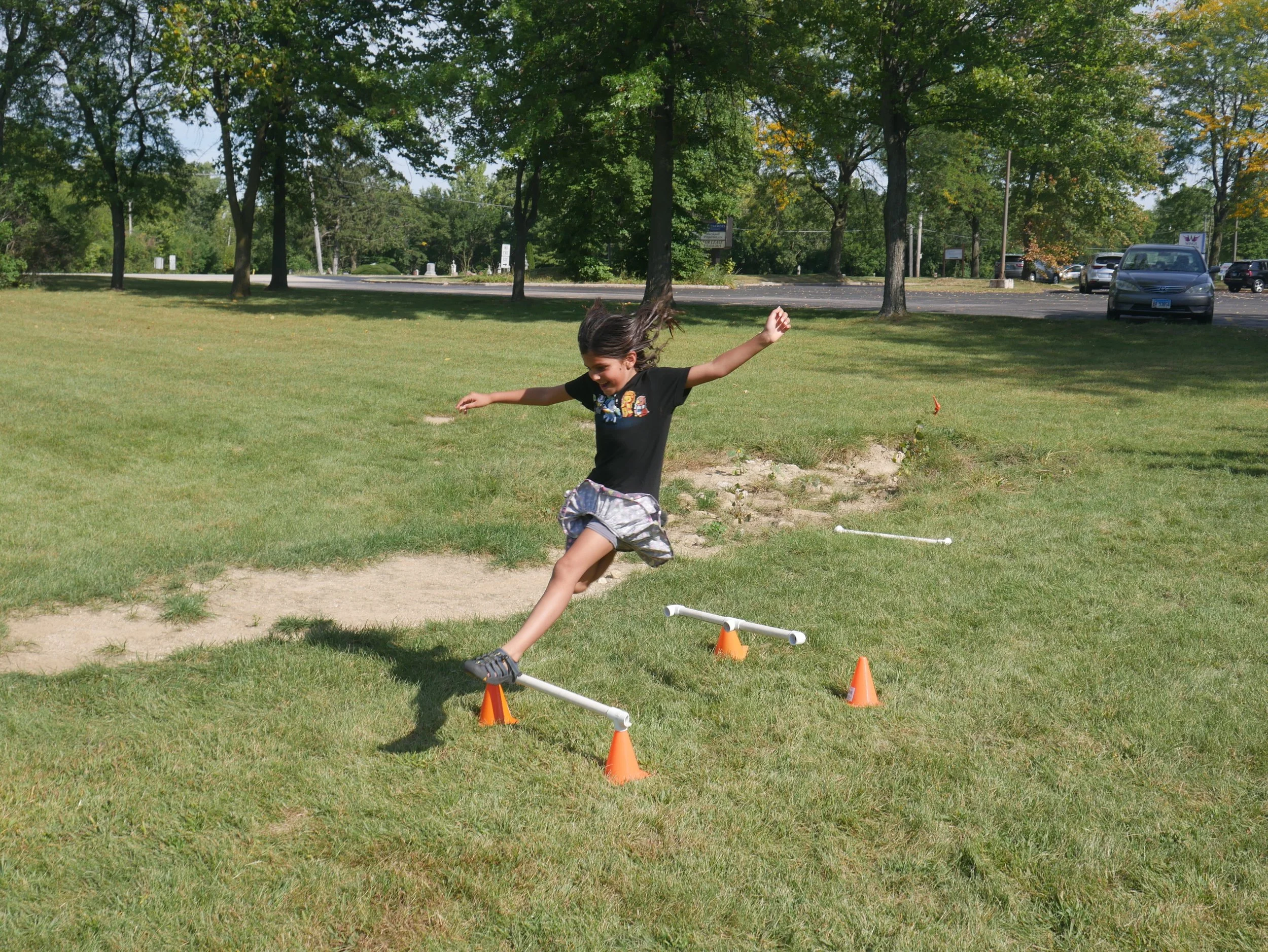
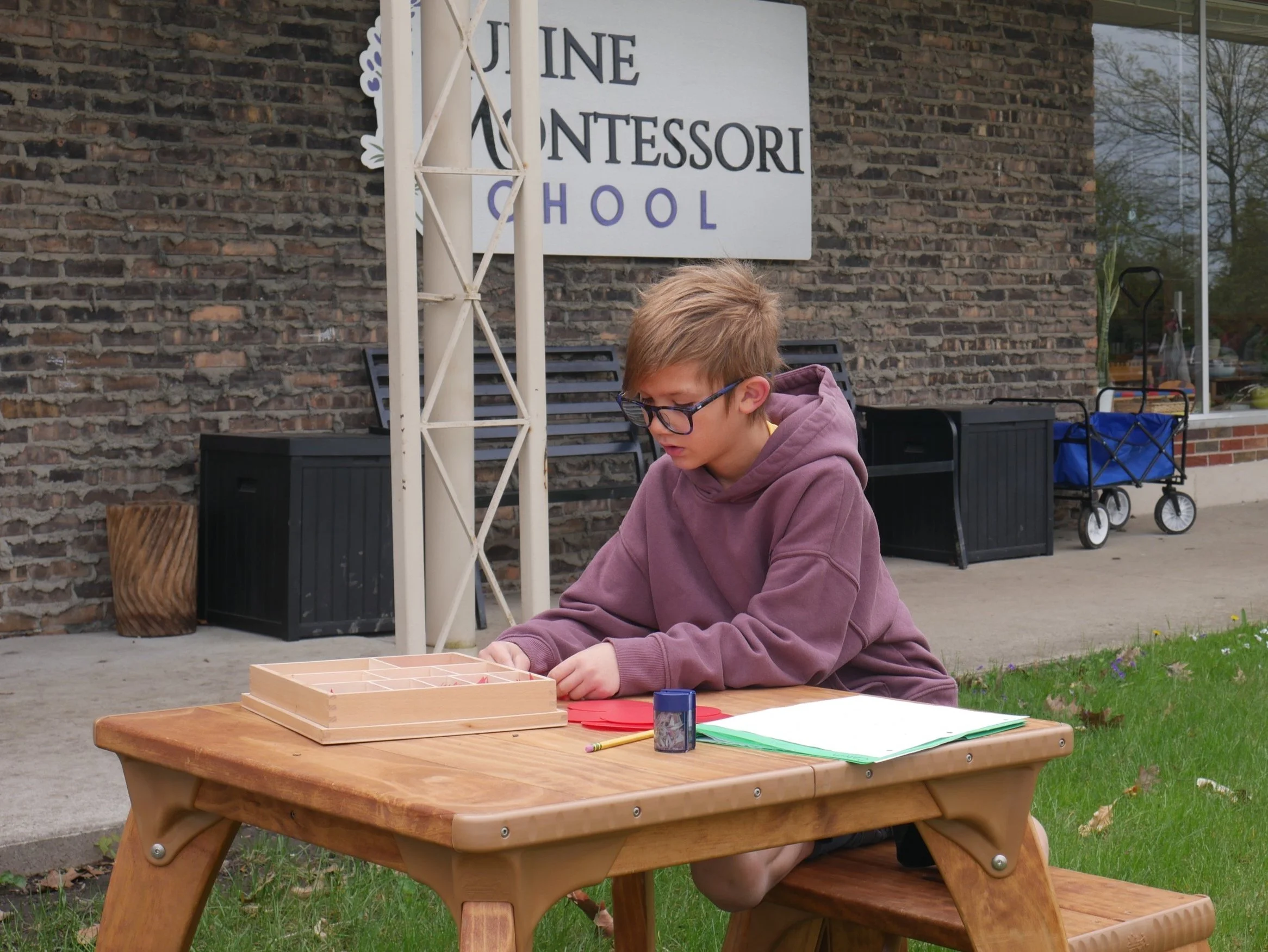
In a traditional setting, first through third graders share a classroom with children of their own age and work on specific subject matter during dictated times at individual seats. This is contradictory to their developmental needs. The Lower Elementary environment is designed for first through third graders who need space to move, socialize, and purposefully demonstrate their knowledge. They need choices. They need daily responsibilities that provide them with experiences of grace and courtesy as well as the care of other living things. They need to prepare food for others. They need space to collaborate with their peers on large projects that take many days to complete, as well as space to work silently and independently on their own inspirations. They need conflict and resolution. They need the outdoors. They need practical life and language and art and math and music and geography and botany and zoology and history and they need this work sequenced in a way that allows them to return to the beginning when they need to. They need time for repetition and creativity. They need patience and deadlines and consequences. They need opportunities to develop leadership and peer mentoring. They need to be trusted and loved.
Through support and observation, the elementary guide prepares the environment so the child can be successful in the expansion of responsibility.
The Montessori Guide
The work of the Montessori Guide is to prepare the environment for the developmental needs of the children they serve. They achieve this through certification, continued professional development, experience, and observation.
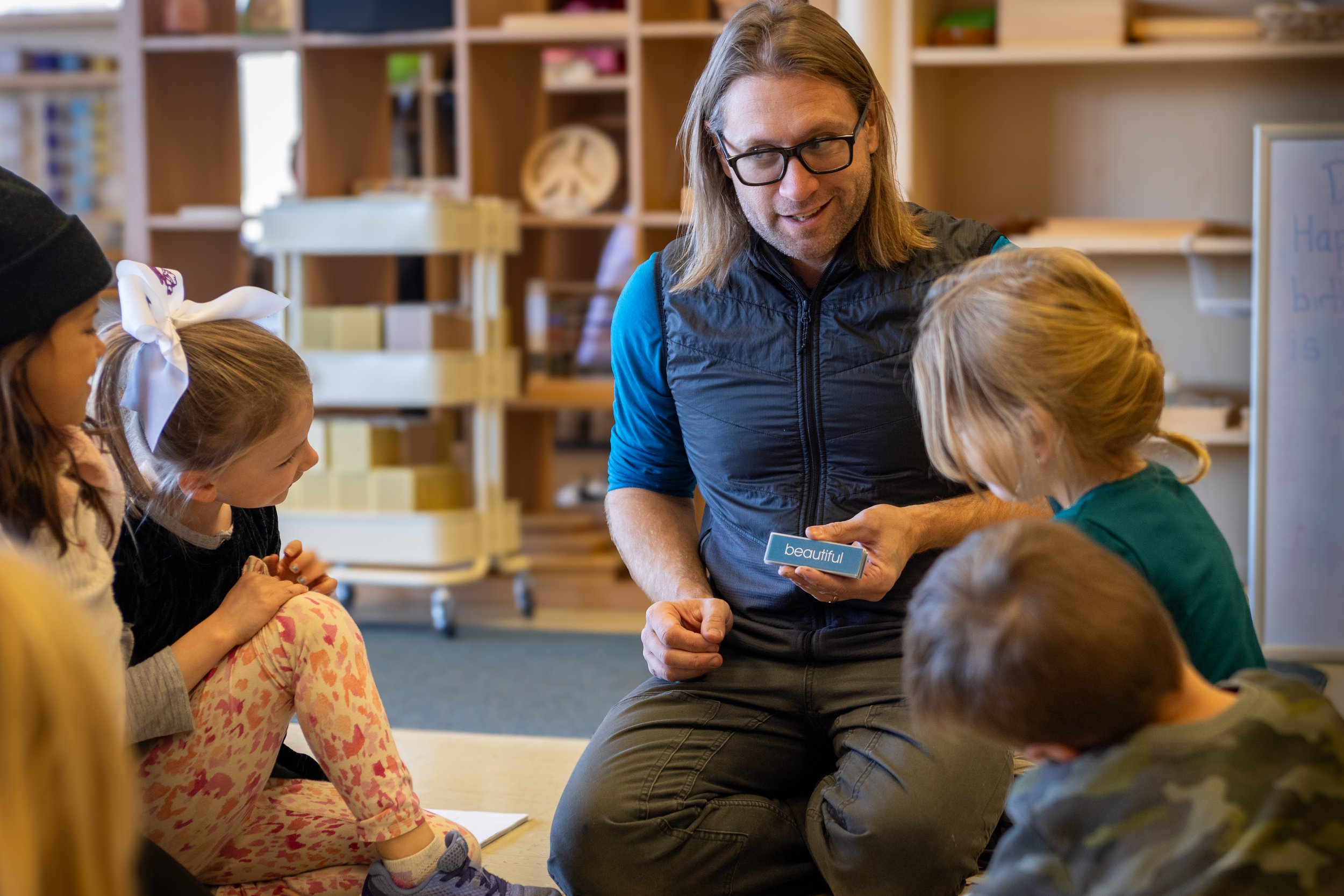
Maria Montessori was a scientist and doctor before she became an educator and it was through observation that she gave humanity one of its greatest gifts. The elementary guide uses Maria Montessori’s lessons and materials to inspire the child to pursue the acquisition of knowledge and mastery of a skill. He presents lessons on all subject areas to all ages of children in the community and meets them where they are with appropriate work and expectations. Progress is measured through the child’s work which is monitored and corrected in order to assess their individual needs and abilities.

Meet the Lower Elementary Team

-
ELEMENTARY GUIDE
My Montessori journey began when I was 24 years old at Denali Montessori in Anchorage, Alaska. It was a five-day substitute teaching job, an infrequent opportunity in the substitute teaching game that ended up lasting eight years. I worked in all four kindergartens, six lower elementary classrooms, six upper elementary classrooms, as well as for the PE teacher, music teacher, art teacher, and librarian. I had never heard of Maria Montessori, however I could see immediately the purpose and passion within each teacher to do this work and the enthusiasm demonstrated by the children while engaged in the pursuit of knowledge.I graduated from Augustana College in 2003 with English and Sociology degrees as well as earning NCAA, All American Honors playing tailback for the football team. I completed my Montessori training for lower elementary at Seton Montessori in 2015 where I worked as an aide, co-teacher, and PE teacher. I spoke at the 2015 AIMS conference in Chicago and the 2017 AMS conference in San Diego on approaches to Physical Education as well the 2018 and 2023 AIMS conferences. My wife and I welcomed our daughter on June 3, 2017. We enjoy camping, reading, hiking, fires, cycling, and family hammock time.
I believe that Maria Montessori has given humanity one of its greatest gifts. She has provided us with a philosophy grounded in science and a method that honors the child’s social, emotional, and academic growth. My goal as an elementary guide is to create an environment where children can work purposefully toward independence through exploration.

-
LOWER ELEMENTARY ASSISTANT
I graduated from Drake University in 2009 with a degree in Art History, and I try to incorporate art into my everyday life! Painting, drawing, and digital art are a few areas I enjoy.
When I was expecting my daughter back in 2019, I was first introduced to the Montessori way of teaching through a dear friend. I immediately fell in love, and have strived to continue that mindset with my daughter every day!
We enjoy spending a lot of time outdoors hiking and fishing, and have an all-around appreciation and love of nature! You might even catch us hugging a few trees here and there!
I am so incredibly excited to be a part of the amazing Lupine Montessori team!


“It is the child who makes the man, and no man exists who was not made by the child he once was.”
— Maria Montessori