

Montessori Adolescent Program — MAP
Ages 12-15
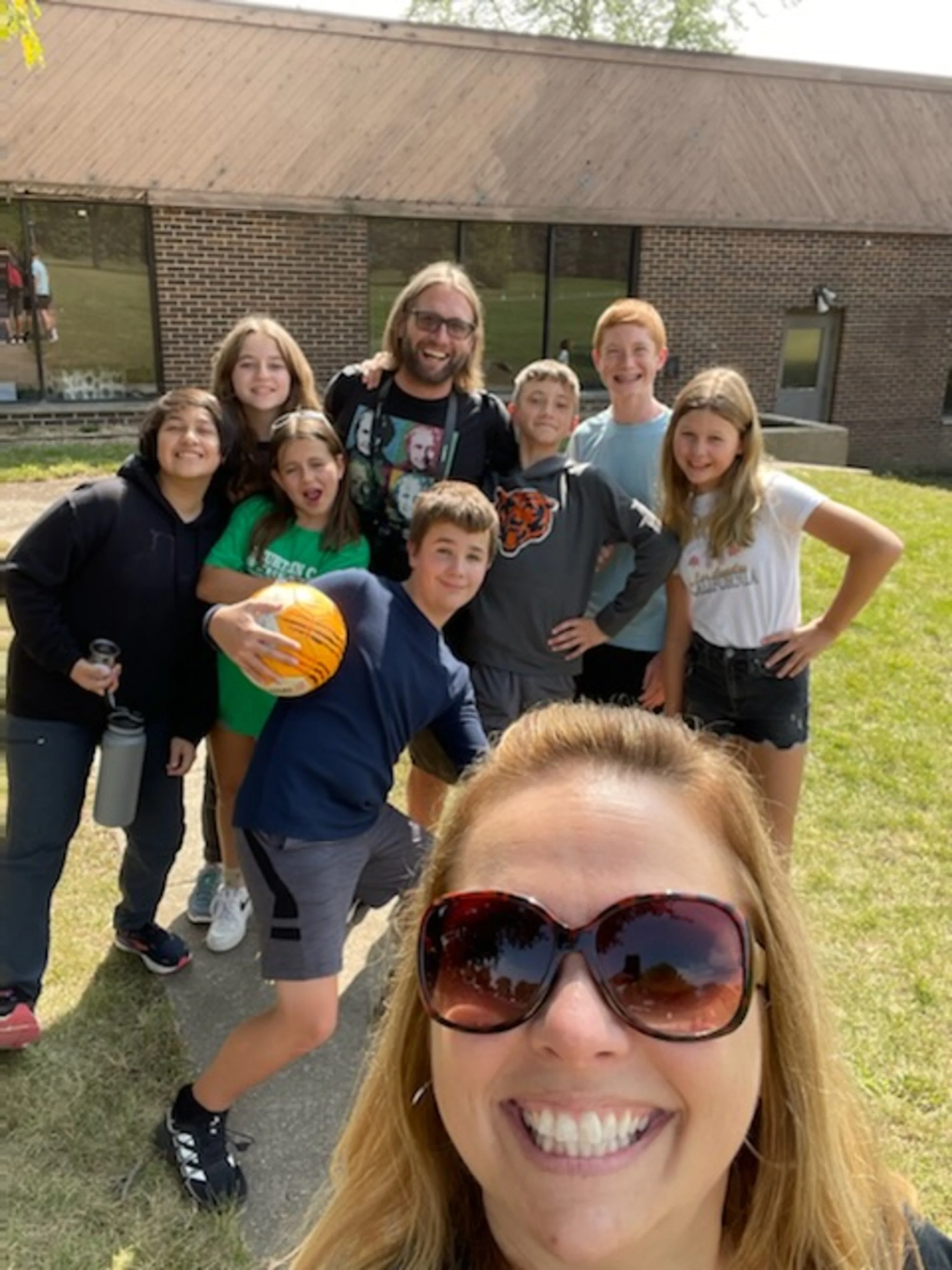
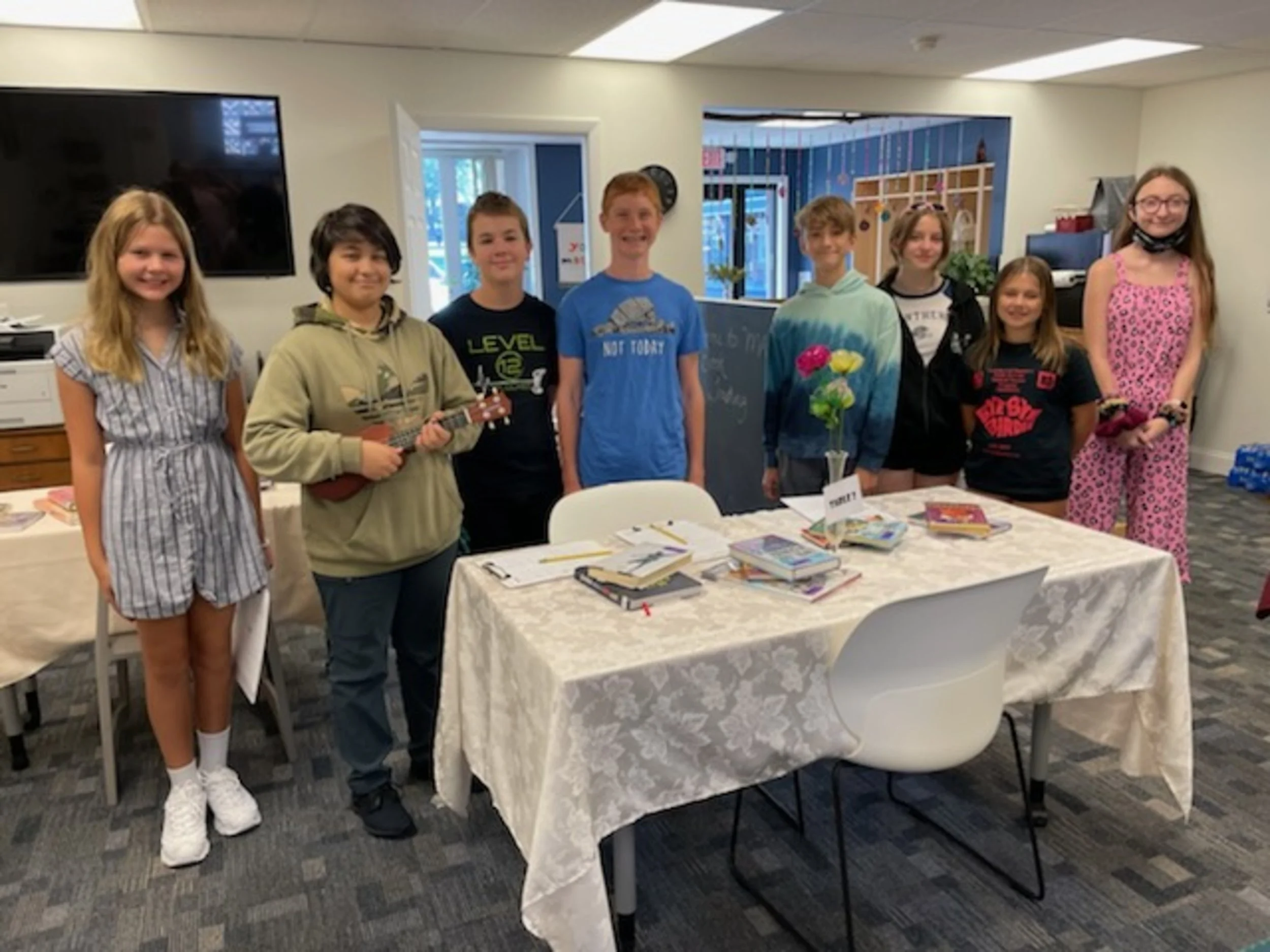
This third plane of development is characterized by tremendous change and development of the social self. The Montessori adolescent program offers a safe environment where students are able to learn and grow in a place where they feel safe and know they belong.
The Child
Students in this plane of development are going through psychological and physical transformations. They are in a sensitive period for emotional independence and search for good role models, social justice, and collaboration. Philosophical ideals and a need to understand man’s behavior are hallmarks of discussions and debate. Although peer groups are important to them, they want to be confident in who they are as an individual. They need strong freedom and limits as well as time for physical and mental breaks.

The Environment
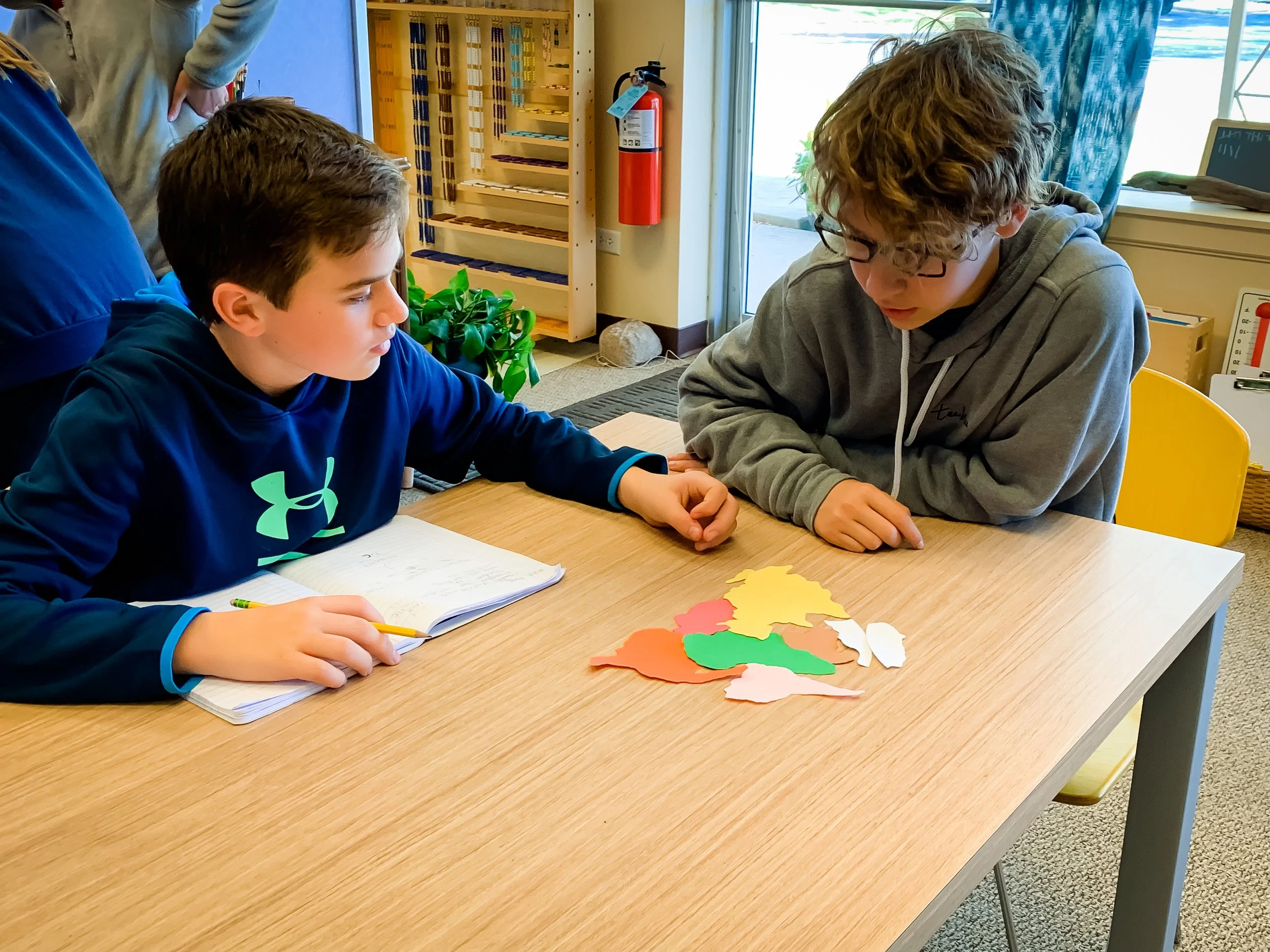
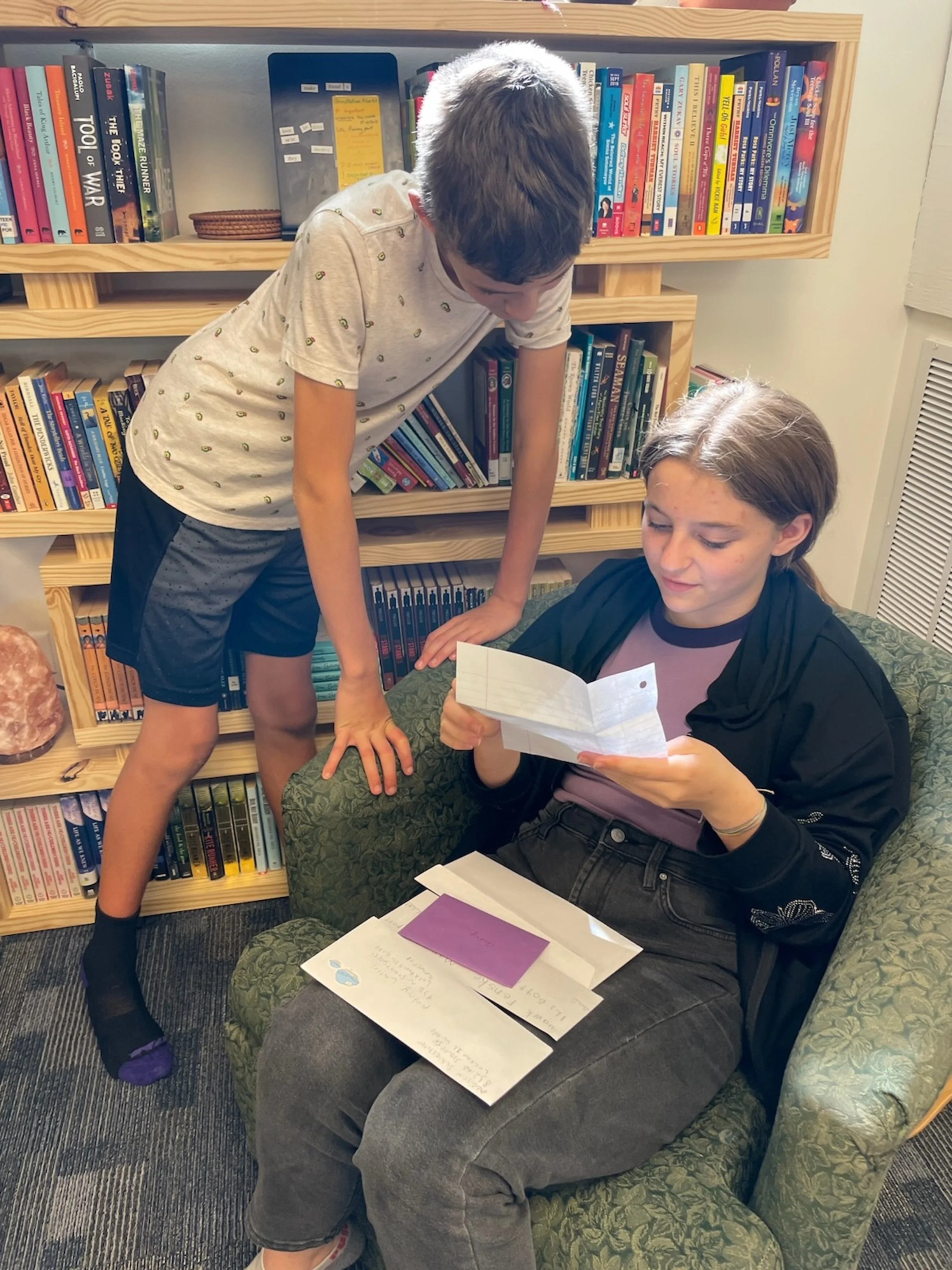
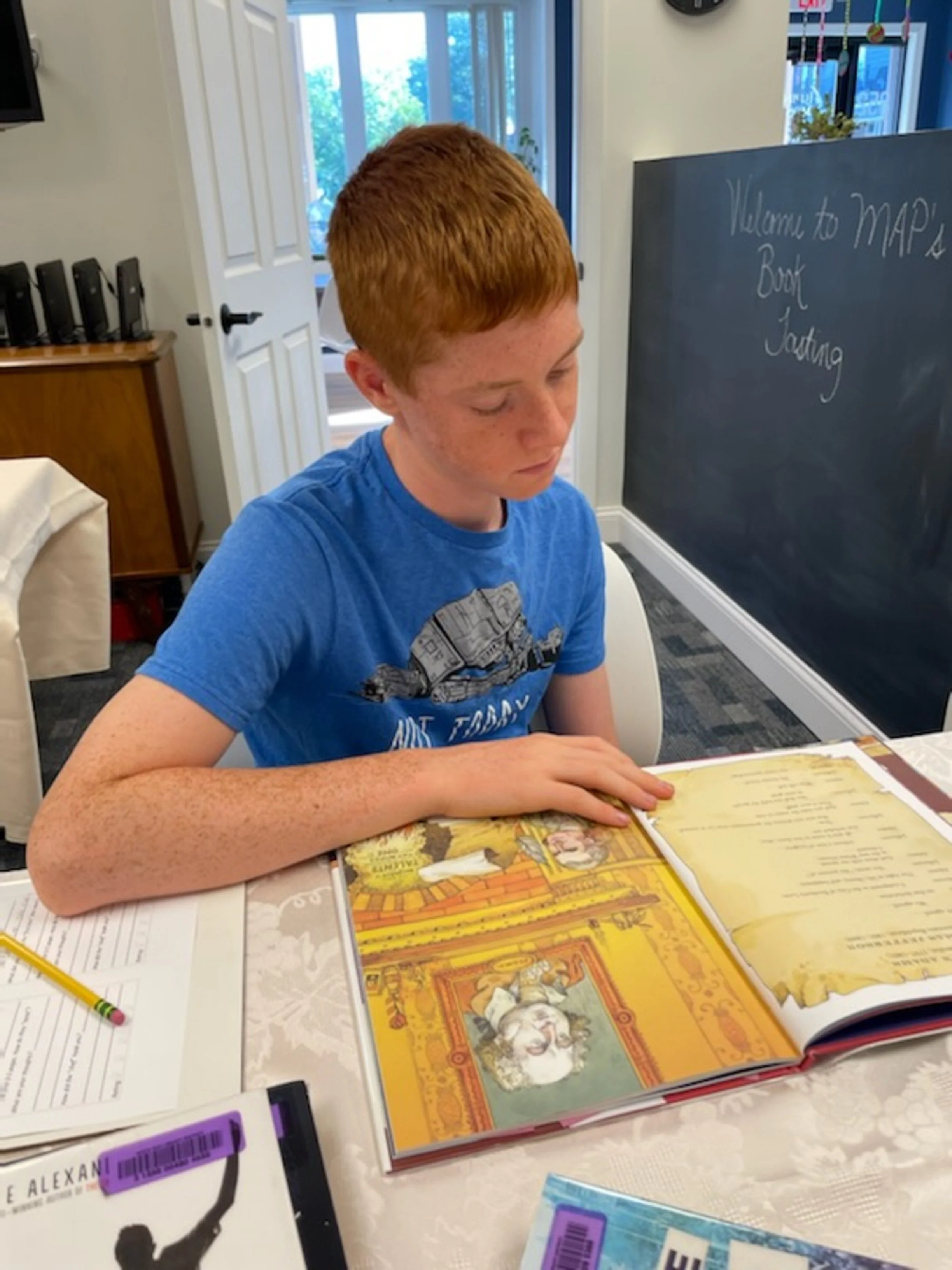
The adolescent curriculum is based on a “society” and relates to the needs of the particular student community. Traditional education often teaches subjects in isolation from life outside the classroom. Facts and skills are focused on one particular content area. The Montessori adolescent program, however, offers lessons with practical applications across the subject areas. Students explore their world through their work.
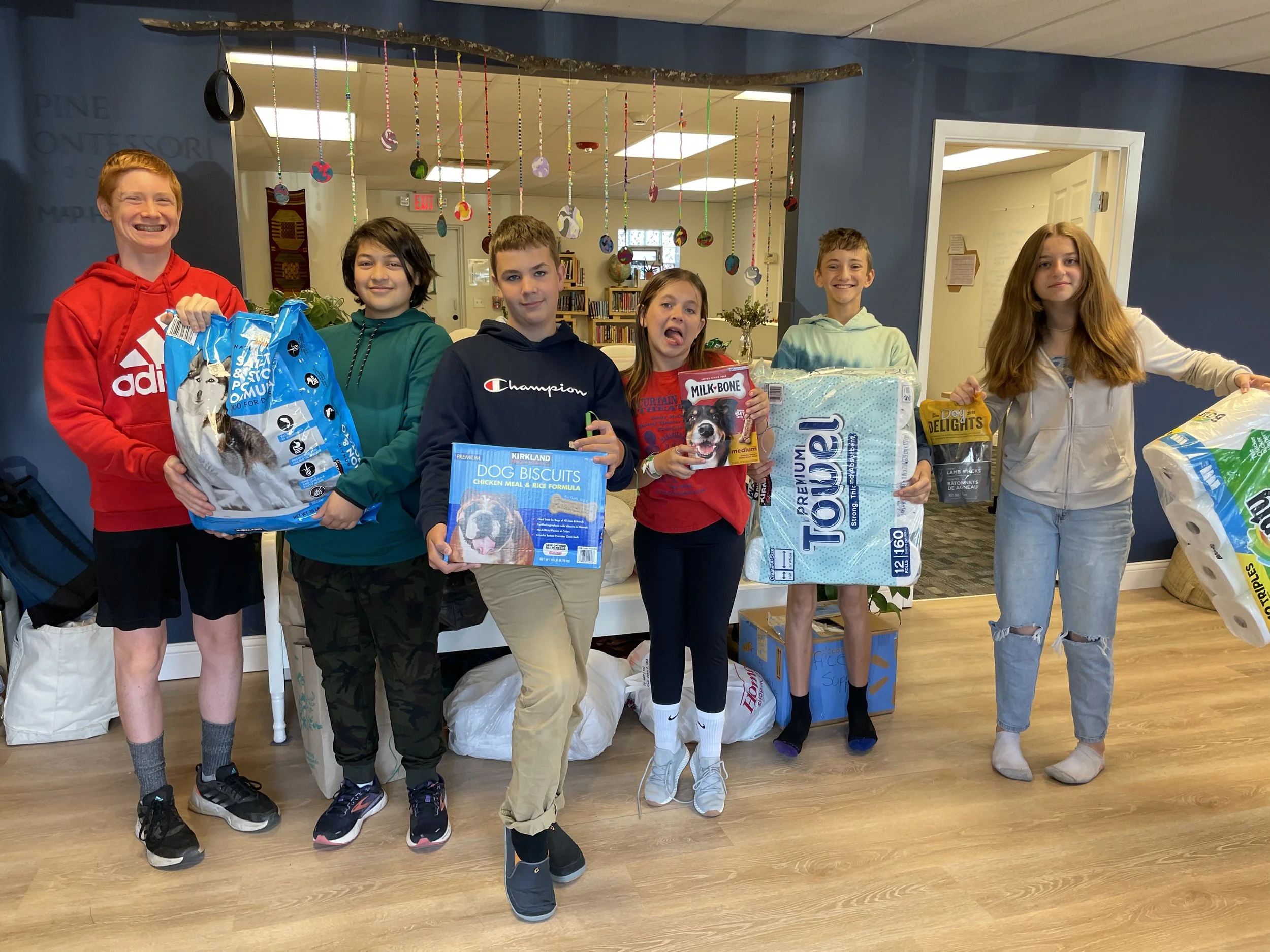
“What will I use this for?” is an often-asked question of adolescents, as they are determined to use knowledge to DO something in the world. Projects such as monitoring our local waterways, creating a business, or volunteering at soup kitchens are real-world opportunities for lessons in science, language arts, math, and history and they offer practical life experience. Students respond to their work and experiences to make improvements in their own classroom community.
Creating a business is a key component of MAP. Students work as a group to find ways of making money, their first direct experiences of the economic connections in society. The success of earning money for a job well-done is a strong source of validation for the adolescent’s skills and contributions. In addition, students will tell you, service is not a requirement, it’s a part of our curriculum. Rather than have an arbitrary requirement for hours of service, students participate in a variety of projects and activities that serve others and make the world more beautiful. Exploring avenues for giving back and creating opportunities for these activities is proven to be a great indicator of service becoming a way of life rather than an isolated checklist.

The Montessori Guide
The adolescent guide designs a schedule that is both dependable and flexible. Without bells to determine when time is up, deep discussions can continue, questions can expand and work can flow uninterrupted. Guides also adjust schedules to participate in cultural, occupational, and service activities. This versatility allows students an autonomy that helps develop organizational skills, study habits and promotes healthy self-esteem. As students work to construct their social selves and establish their place in the world, their guide meets them with grace and understanding and offers opportunities to support their unique developmental stage.

Meet the Adolescent Team

-
I’ve been teaching in some capacity since I graduated from U of I in 1995 with a degree in Speech Education. I began my career teaching English, Speech, and Yearbook classes in public high school. I homeschooled my girls from kindergarten through their sophomore year of high school. In addition, I led several homeschool co-op classes in Speech, Poetry & Photography, Spanish, and Yearbook.
My husband, Matt, and I have twin daughters, Hannah and Delaney, and Molly, a blue pit bull. I enjoy dabbling in photography and playing all sorts of board games.

-
I’m so happy to be returning for my second year at Lupine Montessori School. I’m married and a proud mom to two wonderful daughters—and we also share our home with Mitzi, our miniature dachshund.
Outside the classroom, I enjoy gardening, reading, and spending time with my family. Inside the classroom, my passion is teaching Math—something I’ve been doing for the past 18 years. I’m a graduate of Oak Forest High School and DePaul University, where I earned my teaching degree and embraced the belief that fairness means giving each child what they need to succeed.
From the moment I walked into Lupine, I felt the warmth of the community and knew it was a place where I could grow as an educator. I’m excited for another year of learning, collaboration, and supporting the incredible students and families here.




“The land is where our roots are. The children must be taught to feel and live in harmony with the Earth.”
— Maria Montessori